Staying comfortable without waste takes planning, small habits, and steady follow-through. We’ll focus on maintenance-first moves that protect equipment and your wallet. Start with home energy efficiency across HVAC, heating, and ac so each room feels right without overworking gear. Use energy saving tips for homeowners that reduce utility bills while preserving balanced home comfort through smart indoor comfort planning. You’ll see how to connect hvac efficiency with home comfort vs energy use, then pick upgrades that deliver seasonal energy savings in real homes. We’ll cover a whole home energy audit, airflow checks, and clear scheduling, and we’ll show how to read an electric bill alongside how to read a gas bill for clarity. Expect practical talk, not fluff, and realistic examples you can follow. By the end, you’ll have a playbook you can start today.
Map scope and tests for an audit-driven start today
Begin with a whole home energy audit to shape choices with data. Find a trusted pro who explains blower door test explained and shows a simple home air leakage test in your rooms. Learn from home energy audit checklist results so you can target air sealing tips and weatherization basics where they pay off. A porch door sweep, a rim joist seal, and a can-light cover are quick wins. Use manual j load calculation to right size heat pump or right size air conditioner, and pair that with manual s equipment selection for tight matches. System sizing and comfort improves when you add mini split vs central air discussions early, especially in homes without usable ductwork. Clear scoping prevents surprise change orders.

Set expectations for seasonal energy savings by looking at summer energy savings at home and winter energy savings at home separately. Read time of use rates explained with peak vs off peak electricity in mind so you shift laundry, charging, and cooking. Add a quick walk-through for phantom power usage and spot energy vampires in the home that nibble away at a lower utility bill. Create a simple log for notes and follow-ups. Document hvac diagnostics and hvac performance testing steps so you catch undersized ac symptoms or oversized ac problems before you buy. Include hvac troubleshooting notes that flag weak airflow from vents or hot and cold spots in house as early clues. When the plan is clear, each step pays off faster.
Fix ductwork constraints and leakage losses before new gear
Start with airflow testing and an air balancing service to map supply vs return airflow in real rooms. Learn to spot ductwork airflow issues in ceilings, crawl spaces, and equipment closets; find duct leakage signs and duct leakage energy loss you can stop. Then review static pressure in hvac, reduced airflow causes, and return air problems that often hide in tight doors or blocked grilles. A simple grille upsizing or a short jump duct can calm noisy rooms. Use duct sizing guide with manual d duct design so trunks and branches match your load numbers. Damper balancing in ducts helps when ac not cooling evenly or furnace not heating evenly creates complaints at breakfast. Fix the path first, and your equipment runs relaxed.
Check attic ductwork problems, condensation on ductwork risks, and duct insulation r value so you protect temperatures all year. If a sun-baked attic cooks metal, a few wraps and sealed seams pay off. Consider duct sealing benefits with mastic and mesh instead of tape that fails. Aim for long-lasting, not quick-but-brittle fixes. In small renovations, a ductless track can help; think ductless mini split benefits with mini split sizing and multi zone mini split design in bonus rooms. Note concealed mini split maintenance, mini split drain line issues, and mini split noise causes so the install stays quiet and dry. A smooth airflow path makes comfort easy to deliver.
Build repeatable routines with smart maintenance and scheduling
Create a homeowner maintenance checklist that you clip to your calendar. Keep a simple hvac maintenance checklist for filters, coils, and drains alongside an hvac tune up checklist for pro visits. Add an ac maintenance checklist for spring and a furnace maintenance checklist for fall so little issues never grow big. Five minutes now often saves a soaked ceiling later. Use monthly home maintenance checklist notes for vents, sensors, and dampers; add seasonal home maintenance checklist reminders for insulation, caulk, and weatherstrips. A new homeowner handbook helps you learn home systems basics and home systems performance without stress. A calendar keeps comfort steady and predictable.
Tie routines to smart thermostat settings you can trust. Smart thermostat savings improve when thermostat schedule tips match your work hours and sleep needs. Remote temperature sensors help HVAC zoning basics, especially when doors close or stairs divide the house. Choose small set-point shifts for steady comfort. Watch indoor humidity target range to protect surfaces and lungs, then fold humidity control in home into your weekly habit. Variable speed hvac benefits become clear when slow, steady fan runs trim noise and drafts. Boring maintenance is quietly powerful.
Safeguard air quality with ventilation and insulation details
Start with indoor air quality basics and simple iaq improvement tips tied to your lifestyle. Choose the best hvac filter for allergies based on merv 8 vs merv 11 vs merv 13 and check how often to change air filter for your home. Know that high merv filter airflow impact can raise static if returns are small. Balance capture with breathing room in the ductwork. If you battle dust in house causes or need smoke and dust control, add fresh air ventilation options to dilute. Compare erv vs hrv explained so you match climate and occupancy. Clean air is a comfort you can feel.
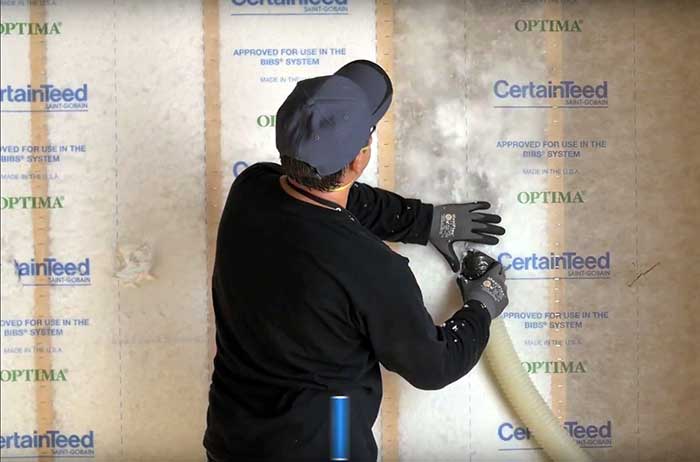
Moisture control keeps mold out and surfaces safe. Follow mold prevention tips by using a mold and moisture guide and acting fast on musty smell in house. Watch condensation on vents and attic moisture problems that hint at attic ventilation balance changes. Think pressure, temperature, and pathways to fix the root. Balance ridge vent vs soffit vent so air washes the roof deck, not just the ridge. Use crawlspace encapsulation basics with a crawlspace vapor barrier and crawlspace dehumidifier sizing to keep floors dry; then add basement humidity control if the slab sweats. Insulation counts too; follow insulation r value guide for an attic insulation upgrade, compare spray foam vs blown in insulation, and study thermal bridging explained with radiant barrier pros and cons near ducts. Finish with window efficiency upgrades and weatherstripping doors and windows so the shell supports the system. When air is clean and dry, comfort sticks.
Weigh rate choices, controls, and domestic hot water paybacks
Match equipment to loads with right size heat pump and right size air conditioner, then cross-check seer vs seer2 explained and eer rating explained for apples-to-apples. For cold nights, compare heat pump vs furnace alongside hspf vs hspf2 explained, and consider a dual fuel heat pump system for extreme snaps. Learn heat pump performance tips for shoulder seasons and heat pump in cold weather for deep winter. Know heat pump defrost cycle explained so steam clouds don’t scare you. Watch aux heat usage so bills don’t spike. If rooms split by usage, try hvac zoning basics with remote temperature sensors. Right-sizing plus zoning solves the fight over the thermostat.
Rates and controls matter every month. Use smart thermostat savings with gentle thermostat schedule tips that match time of use rates explained and peak vs off peak electricity. Spot phantom power usage by chargers and hunt energy vampires in the home that sneak past a lower electric bill and a lower gas bill goal. A few smart strips can cut quiet waste. When choosing paths, list home efficiency upgrades and energy efficient home improvements with clear home upgrade roi and efficiency upgrade payback. Use homeownership cost breakdown to plan home repair budgeting and maintenance budgeting for homeowners that stay steady all year. For big choices, study repair vs replace decisions with a quote comparison checklist, then compare hvac quotes using a contractor neutral home guide to keep the process fair. Your numbers should lead the decision, not sales pressure.
Extend savings with water heating and billing habits that stick
Water heating can be a large slice of water heater energy use. Read water heater efficiency tips, then schedule water heater maintenance before busy seasons. Add flush water heater sediment to your annual routine and replace anode rod on time so tanks last. A few minutes each year keeps hot water steady. Watch for water heater leak signs and decide on water heater repair vs replace using local costs. If needed, check water heater replacement cost, then choose parts that extend water heater lifespan without strain. Tankless options bring tankless water heater pros and cons; confirm tankless water heater sizing, follow a tankless water heater installation guide, and check tankless water heater venting for code. Keep tankless water heater descaling on your calendar and decide on tankless water heater outdoors if climate and codes allow. Keep hot water simple, safe, and efficient.
(Image: https://insulationprosco.com/wp-content/uploads/2024/08/wall-insulation-service-img-2.jpg)

Billing awareness turns habits into cash. Learn how to read an electric bill and how to read a gas bill so charges are clear, line by line. Combine rate smarts with smart thermostat settings and remote temperature sensors to shape daily loads. Move heat-making chores out of the peak times. Track hpwh installation considerations while you explore heat pump water heater savings that align with your utility. Use mini split vs central air comparisons if you want zone-by-zone comfort, and pair that with concealed mini split maintenance so sound stays low. Finally, build a simple path to a lower utility bill through a lower electric bill and a lower gas bill backed by home efficiency upgrades. Knowledge plus routine equals savings you can count.
In the end, planning your scope, fixing airflow, and keeping routines steady lifts comfort and cuts waste. Quality air and moisture control help the building support your HVAC, while smart equipment and rate choices protect your budget. Clear water heating habits and billing know-how extend savings across the year. Tie it all together, and your home runs smoothly season after season.
(Image: https://customfitinsulation.com/wp-content/uploads/2021/02/blown-in-insulation.jpg)